
How to Prepare for Wisconsin’s Harsh Winters: Snow Blower Edition
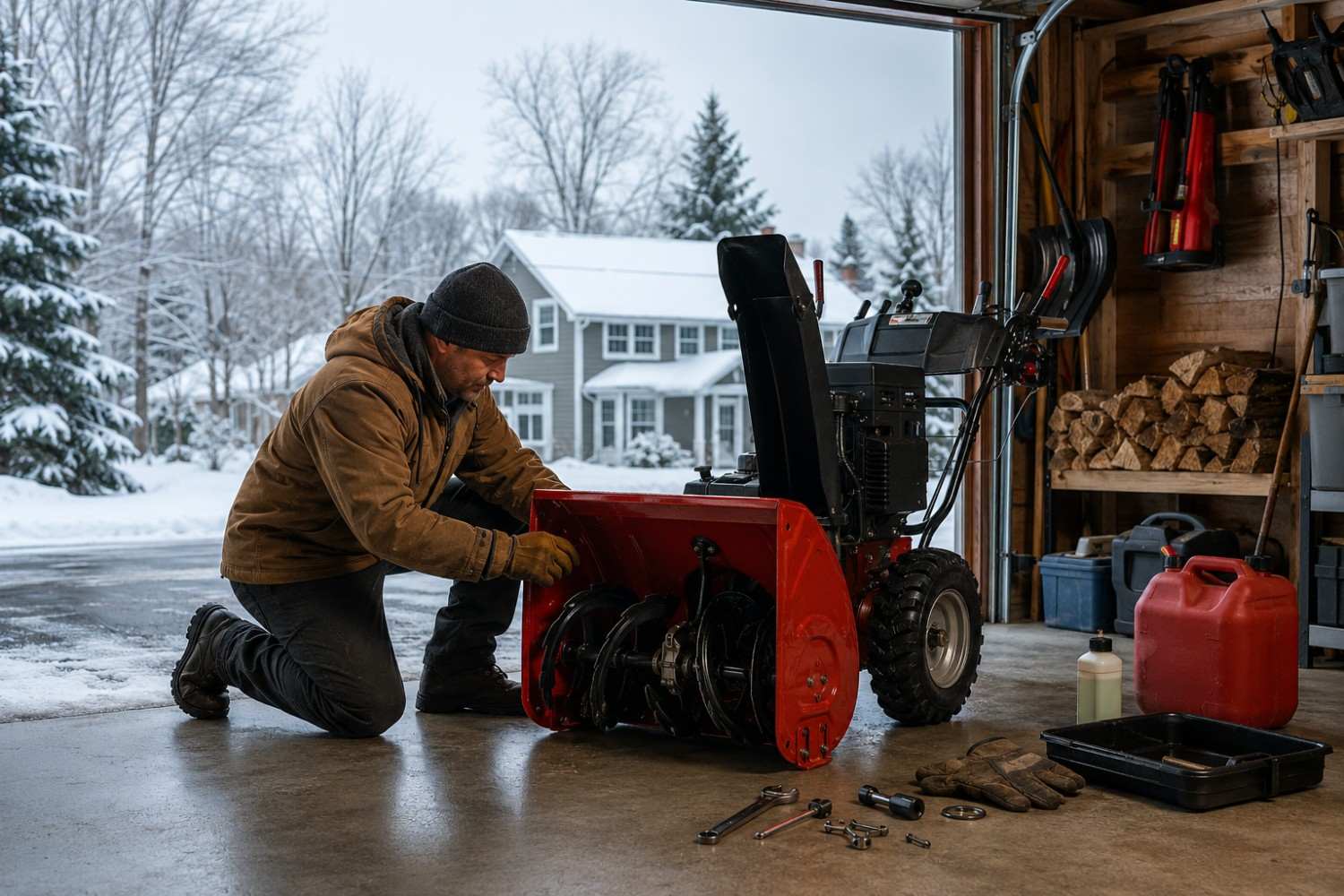
Preparing for a Wisconsin winter means servicing your snow blower before the first storm, matching your machine to how often and how heavy your snow actually falls, and building a maintenance routine that carries it through the full season. Skipping the prep step is the most common reason homeowners find themselves fighting a machine that won’t start during the season’s first real snowfall.
Polk County averages roughly 49 inches of snow per year, according to Wisconsin DNR snowfall data, putting Dresser well above the statewide average and squarely in “heavy, frequent snow” territory. That volume means equipment gets used often and hard, which is exactly why prep and maintenance matter more here than in milder parts of the state. For a closer look at matching equipment to local conditions, see Boyd’s Ariens Snow Blower Buying Guide for Polk County Winters.
What Makes Wisconsin Winters So Tough on Snow Blowers?
Wisconsin winters combine frequent snowfall with wide temperature swings, which stresses fuel systems, batteries, and belts more than a milder climate would. Lake-effect bands can also dump heavy, wet snow in a short window, which puts more strain on an auger and impeller than the same total accumulated slowly.
That combination of frequency and intensity is why a machine that works fine for occasional light snow often struggles once Wisconsin’s winter settles in for good.
How Should You Prepare Your Snow Blower Before the First Snowfall?
Start with a test-start in October or early November, well before you actually need the machine. This gives you time to replace a dead battery, fix a fouled spark plug, or drain old fuel without being stuck mid-storm.
Walk your clearing path and mark any hidden obstacles, like edging or uneven pavement, that snow will bury later. A five-minute walk now prevents a damaged auger blade in December.
What’s the Best Snow Blower for Handling Heavy, Frequent Wisconsin Snow?
For homeowners and property managers who clear snow often and can’t afford downtime, a commercial-grade two-stage machine built for repeated heavy use makes the biggest difference. The Ariens Professional 21 SSRC is built around that exact need — its 208cc Ariens AX engine and 21-inch clearing width are sized for frequent use across multiple areas of a property in a single session, with remote chute control so you’re not stopping to manually adjust direction mid-pass.
Its open-engine design also makes routine maintenance — spark plug, recoil, carburetor — easier to access, which matters when a machine is getting used through Polk County’s full snow season rather than a handful of storms. It’s one of the more capable two-stage models Boyd’s carries for anyone dealing with frequent, heavy Wisconsin snow rather than occasional light dustings.
How Do You Maintain a Snow Blower Through a Long Wisconsin Winter?
Spray the chute and auger housing with a non-stick lubricant before major storms to reduce clogging in wet, heavy snow. This single habit prevents more mid-storm breakdowns than almost anything else on this list.
Check shear pins and belts periodically through the season. Cold temperatures make rubber and plastic components more brittle, so a component that held up fine in November can fail by February without a mid-season check.
Keep fuel fresh or stabilized between storms. Stale gasoline sitting in a cold garage is one of the most common reasons a snow blower won’t start after weeks of disuse.
What Safety Steps Should Every Wisconsin Homeowner Follow?
Never clear a clog with your hands, even with the engine off, since augers can retain stored energy. Use the clean-out tool included with the machine every time.
Keep the discharge chute aimed away from people, pets, and parked cars, and shut off the engine before making any adjustment to the chute or housing.
Snow Blower Pricing Comparison: What Should You Expect to Pay?
Entry-level single-stage snow blowers sit at the lower end of the price range and suit light, occasional snow. Two-stage models in the 21–24 inch range, including the Ariens Professional 21 SSRC, cost more but hold up to frequent, heavy Wisconsin winters far better, and commercial-duty machines with wider clearing widths sit at the top of the range for large properties or multiple clearing sites. When running a pricing comparison, weigh how many storms per season your machine will actually face — a less expensive model that struggles by January often costs more in downtime and repairs than a properly sized one upfront.
Frequently Asked Questions
How early should I get my snow blower serviced before winter?
Late September or October is ideal, since it leaves time to order parts or schedule service before the first snowfall typically arrives in Polk County.
What’s the biggest difference between a residential and commercial-grade snow blower?
Commercial-grade models are built with heavier-duty engines and components designed for frequent, repeated use across multiple clearing sessions, while residential models are sized for occasional use on a single driveway.
Why does my snow blower run fine in November but struggle by February?
Cold temperatures make belts, gaskets, and plastic components more brittle over the course of a season, so a mid-winter inspection often catches wear that wasn’t present earlier in the year.
Is remote chute control worth it on a snow blower?
Yes, especially for frequent use, since it lets you redirect snow flow without stopping the machine or reaching toward the chute manually.
How do I know if my driveway needs a wider clearing width?
If you’re making more than two or three passes to clear a standard driveway, a wider clearing width will reduce the time and number of passes needed per storm.
The Bottom Line for Preparing Your Snow Blower This Winter
Wisconsin’s winters ask more of a snow blower than most homeowners expect, and the difference between a smooth season and a frustrating one usually comes down to prep, sizing, and maintenance. Service your machine early, match it to how often Polk County actually sees snow, and keep up with maintenance through the season, and you’ll be ready for whatever this winter brings.